
PSHE & C
Promoting Alternative Thinking Strategies
At St John Vianney, we place a strong emphasis on nurturing the mental and emotional wellbeing of all our children through the integration of the PATHS programme into everyday school life. Developed by Barnardo’s, PATHS equips children with essential social and emotional learning skills, helping them build positive relationships, make informed decisions, and develop the confidence and resilience needed to thrive throughout their lives.
Background
Every child arrives at school with their own unique strengths, interests, experiences and personality. They come from a wide variety of family circumstances, cultures and communities, each of which can influence their emotional development. Some children may encounter challenges that increase vulnerability to poor mental health, while others benefit from experiences and support systems that strengthen their resilience. Recognising these differences enables us to provide a nurturing environment that helps all children develop effective coping strategies, emotional awareness and the skills needed to flourish.
At St John Vianney, all classes from Nursery to Year 6 follow the PATHS curriculum.
There are five areas of SEL which underpin The PATHS® Programme for Schools curriculum including:
- Self-awareness
- Relationship skills
- Self-management
- Responsible decision-making
- Social awareness
The PATHS programme helps children develop the ability to recognise and express their emotions appropriately while learning practical strategies for self-regulation. By strengthening these skills, children become more resilient, communicate more effectively and are better equipped to manage challenges both in and out of the classroom.
At St John Vianney, PATHS is firmly embedded within our daily school life. Each day, one child from every class is chosen as the PATHS Child of the Day, taking on additional responsibilities and playing a special role within their class community. At the end of the day, they receive positive feedback and compliments from both staff and classmates, helping to build confidence, self-esteem and a sense of belonging.
PATHS lessons are carefully tailored to the developmental needs of each year group and incorporate a variety of engaging resources, including photographs, illustrations and discussion prompts. A range of interactive approaches are used to bring learning to life, such as storytelling, role play, puppetry and the modelling of positive behaviours by adults. Lessons encourage children to reflect on their own experiences, emotions and thoughts, enabling them to develop self-awareness and make thoughtful, responsible decisions.
PATHS has been shown to improve:
- Classroom Behaviour
- Self-Esteem
- Self-Control
- Emotional Intelligence
- Academic Engagement
- Conflict Resolution
PATHS has been shown to reduce:
- Emotional Distress
- Aggressive Behaviour
- Conduct Problems
What does PATHS look like in school?
Nursery, Reception & Year 1
In the earliest PATHS lessons, Twiggle the Turtle and his friends help children learn about different emotions and how they affect us. Through stories and discussions, children develop skills to recognise and manage their own feelings while becoming more aware of the emotions of others.
Children explore emotions such as happiness, sadness, anger, fear, excitement and calmness, sharing their experiences and learning how feelings can be expressed through facial expressions, body language and behaviour. This helps to build emotional awareness, empathy and positive relationships.
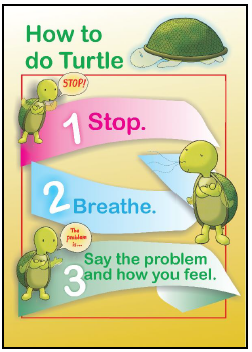
Twiggle teaches the children a calming down technique to use at school and at home.
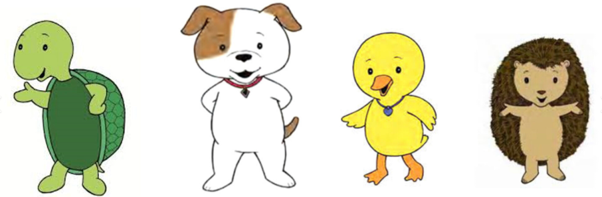
Twiggle introduces the children to his friends – Henrietta the hedgehog, Duke the dog and Daphne the duck.
Year 2
The Year 2 children will build on the learning they get in Y1. They will have the chance to discuss their own experiences, and role play different scenarios.
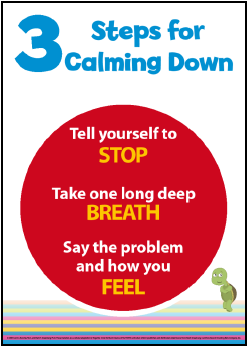
In Year 2 the children are introduced to the ‘3 Steps for Calming Down’ as a strategy to use when they feel they may need to calm down. Each class has been given a poster to display in their room.
Year 3
Year 3 children learn about developing a positive environment and work on developing their self-esteem. They are taught the basic emotions that they might feel, how to manage them and ways to express themselves.
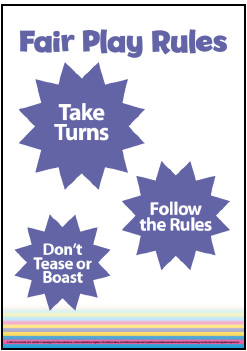
Throughout the year, they develop their understanding of emotions in terms of establishing better relationships and improving self-control, self-awareness and anger management. They also look closely at the ‘Fair Play Rules’ and they display this poster in the classroom.
Year 4
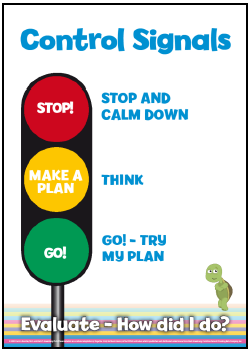
Year 4 pick up on and extend the topic of feelings and relationships. They learn about how to make good decisions and solve problems, thinking through the consequences and thereby being more independent and resilient. They also learn about responsibilities and caring for others. Children are supported to manage their feelings and revisit the ‘Control Signals’.
Year 5
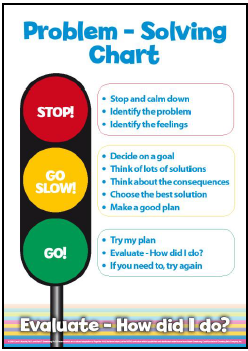
Problem solving is a valuable skill to have, through our lives. Children are taught the stages that they need to go through in various scenarios. They consider how to make and keep friends as well as being responsible and caring for others. They also have time to reflect on their goals and establish their sense of identity. The ‘Problem Solving Chart’ is introduced to support children in identifying a problem and helping them to make a plan to solve it.
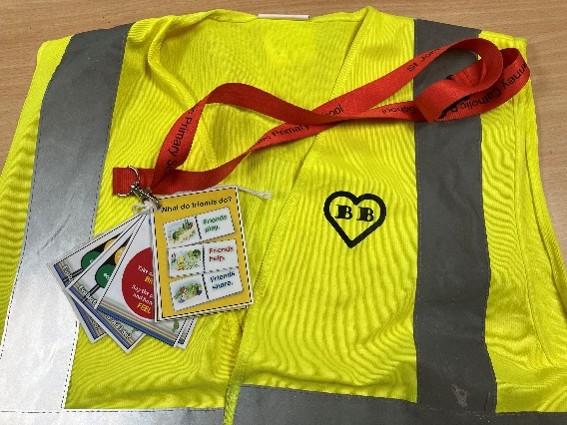
Children in Year 5 are also our B’s Buddies. They help promote the PATHS values by being a positive role model and supporting others. They encourage kindness, help children talk about their feelings, and support them in using PATHS strategies to solve problems and build positive friendships.
Year 6
Year 6 pick up on the emotions and relationships theme by looking at conflict resolution and respect. They are taught skills to help them study and develop their organisational skills. To finish off their time in Junior School, they think about dealing with endings and transitions to new settings.
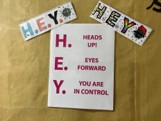
Top Tips for using PATHS at home:
- Celebrate when your child is chosen as Pupil of the Day by recognising their achievement and offering them a compliment.
- Demonstrate the importance of giving compliments by using them regularly at home.
- Encourage your child to talk openly about their emotions and reassure them that all feelings are valid.
- Help your child understand the difference between how they feel and how they choose to behave.
- Support your child in using the Turtle Technique or the 3 Steps to Calm Down when emotions become overwhelming.
- Praise your child when they manage their feelings appropriately and show self-control.
- Show your child how to solve problems by talking through your own thinking and decision-making processes.
- Play games and take part in activities that encourage cooperation, teamwork and sharing.
- Reinforce the Golden Rule by treating others with kindness and respect and encouraging your child to do the same.